Turning work away sounds like bad business. It is cheaper than the alternative, which is a lock that disappoints somebody every day for a year and a review that says so.
Doors that have already dropped
If you lift the handle to get the door to lock, the door is out of alignment. A motor forced to fight that will drain batteries fast and eventually strip something. The hinges and keeps come first; the lock is a separate conversation afterwards.
Cut-outs that have been opened up before
A door prepared once for a different lock has less sound material than it started with. Sometimes there is enough left to work with and sometimes the honest answer is a new door leaf. We would rather say that at survey than discover it with a router running.
Fire exit doors
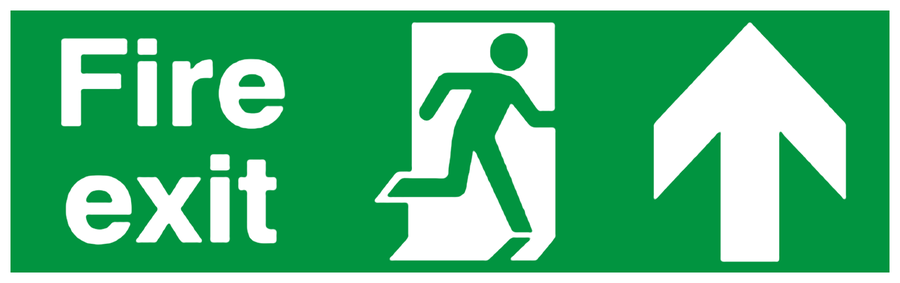
A fire exit has to open from the inside, immediately, without a key, a code or an app. That is the fire safety rule for emergency exits, not our preference, so a lock that could stop somebody getting out does not go on one.
Fire doors are a different thing: the rated doors inside a building that hold back fire and smoke, such as flat entrance doors and room doors in shared houses. We do fit smart locks to those, with hardware that keeps the door's fire rating. On a fire door the question is which lock, not whether.
Communal entrances you do not own
The door to your own flat is usually yours to change, subject to the lease. The main entrance is the freeholder's or the management company's, and fitting to it without written agreement puts you in the wrong regardless of how much better the lock is.
What we say instead
Usually: fix the door first and the lock is straightforward. Occasionally: this needs a locksmith rather than us. Sometimes: what you already have is fine and you do not need us at all. None of those cost you anything to hear.
Not sure which of these is your door?
Send a photo of the door and its edge — we will tell you.
Request a quote